
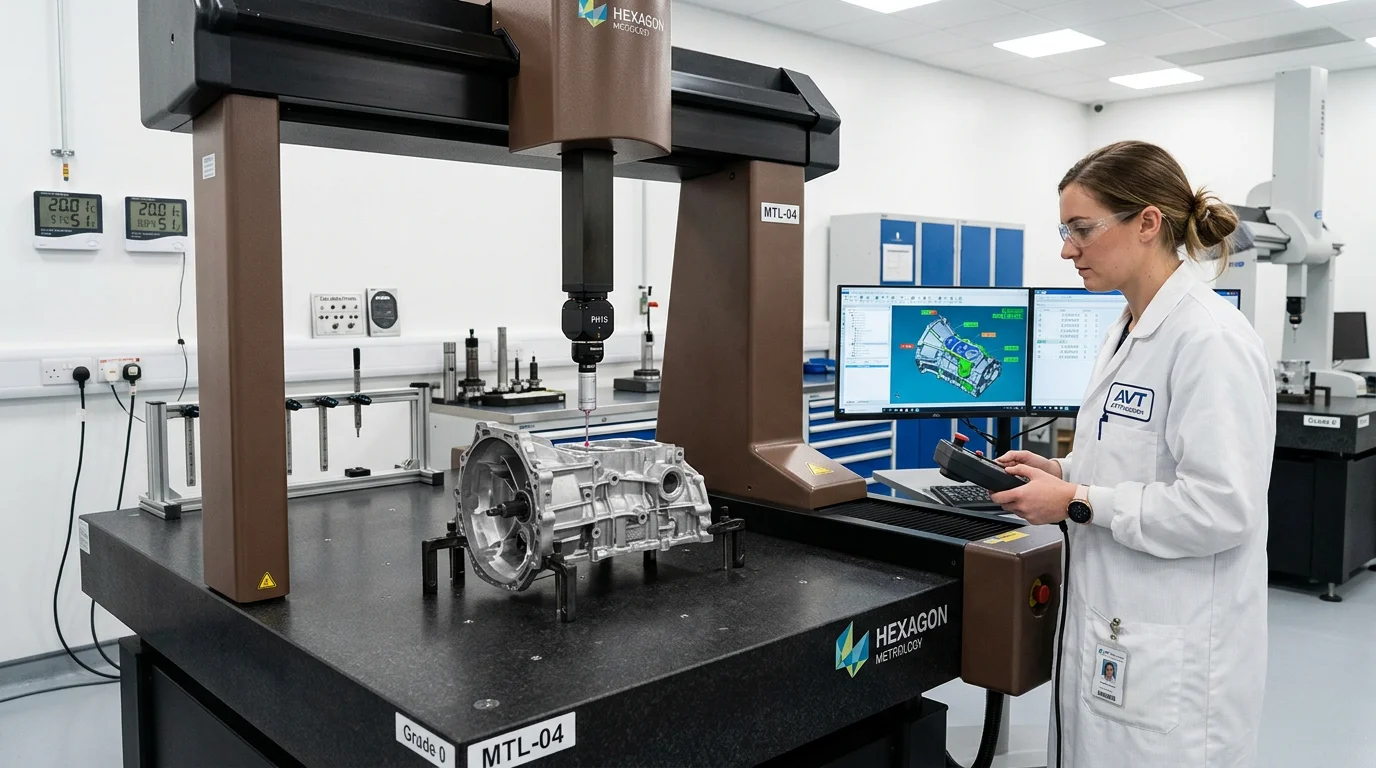
A fixture can be dimensionally flawless on CAD and still fail on the factory floor if clamp reach, loading sightlines, and ergonomic clearances are neglected.
In automotive body-in-white (BIW) framing and precision assembly, design engineers frequently focus entirely on GD&T tolerances, FEA deflection, and weld gun clearances. Yet one of the most critical causes of station downtime is poor operator interaction with the fixture.
Key principles for operator-centric fixture engineering:
- Natural Loading Sequences: Components should load with gravity-assisted resting nests. The primary datum pins should engage effortlessly without requiring the operator to force or jiggle the sheet metal part.
- Clearance Around Clamp Handles: Manual and pneumatic toggle clamps must allow ample hand clearance (minimum 75 mm) even when the operator wears heavy cut-resistant gloves.
- Visual and Sensor Poka-Yoke: Use contrasting anodized colors on locating blocks and integrate inductive proximity sensors that prevent weld cycle initiation until all parts are fully seated against their datums.
- Rapid Shim Adjustment: Incorporate precision ground shim packs (±0.05 mm) beneath all locating blocks to enable rapid dimensional adjustment during prototype buyoff and CMM inspection without remachining the fixture base.
At Draftdu, our toolmakers and CAD engineers collaborate directly on the assembly floor to ensure every fixture balances micron precision with real-world ergonomics.
Key principles for operator-centric fixture engineering:
- Natural Loading Sequences: Components should load with gravity-assisted resting nests. The primary datum pins should engage effortlessly without requiring the operator to force or jiggle the sheet metal part.
- Clearance Around Clamp Handles: Manual and pneumatic toggle clamps must allow ample hand clearance (minimum 75 mm) even when the operator wears heavy cut-resistant gloves.
- Visual and Sensor Poka-Yoke: Use contrasting anodized colors on locating blocks and integrate inductive proximity sensors that prevent weld cycle initiation until all parts are fully seated against their datums.
- Rapid Shim Adjustment: Incorporate precision ground shim packs (±0.05 mm) beneath all locating blocks to enable rapid dimensional adjustment during prototype buyoff and CMM inspection without remachining the fixture base.
At Draftdu, our toolmakers and CAD engineers collaborate directly on the assembly floor to ensure every fixture balances micron precision with real-world ergonomics.
Have an engineering challenge on your shop floor?
Our systems engineering team can evaluate your line kinematics, clamp strategies, and station takt times.
Start a Technical Discussion ↗